
Archive story
The Famous Face : Why a familiar face changes the page
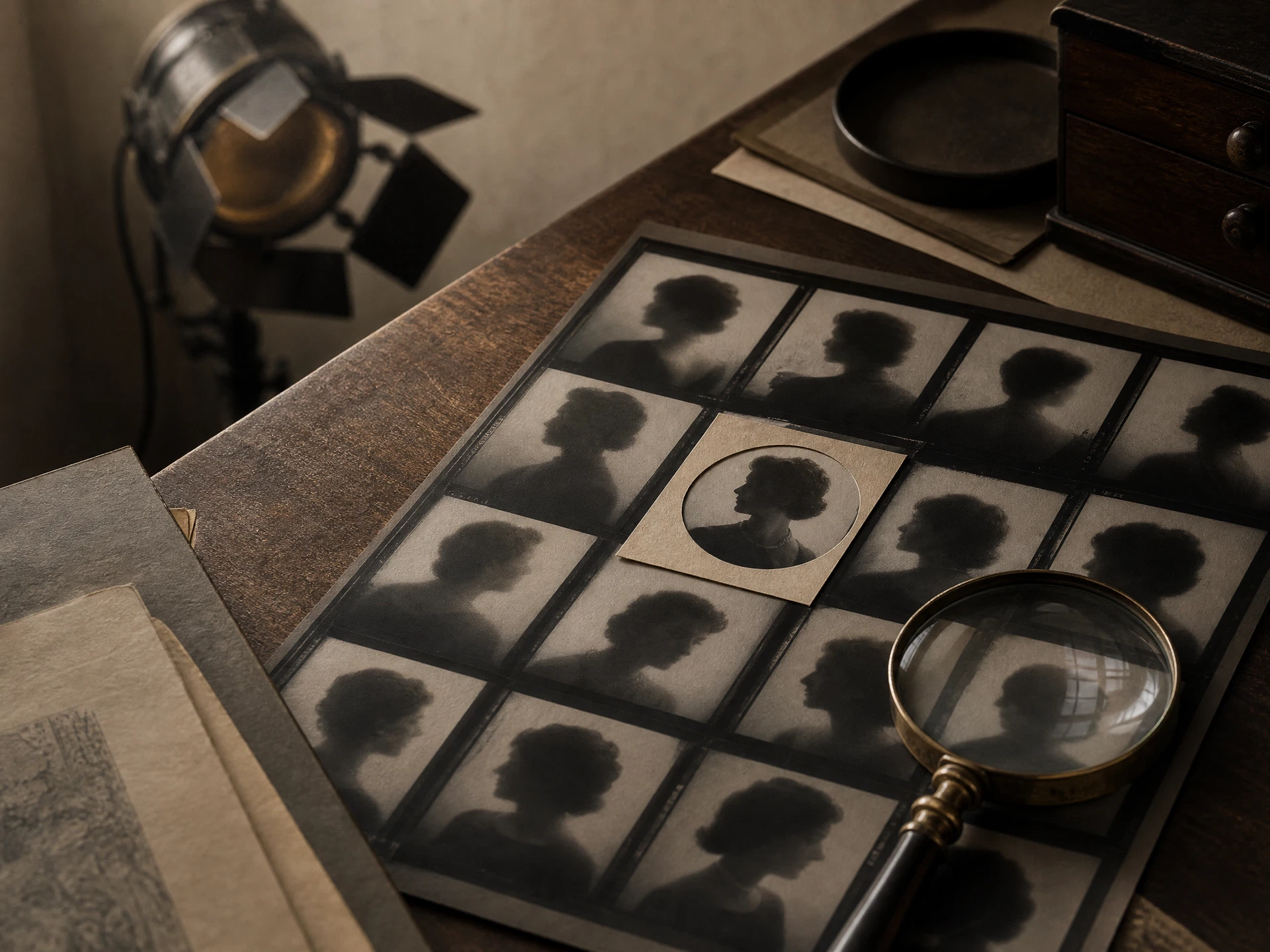
The Famous Face
An advertisement with a recognisable person in it is doing something different from one selling a product on its merits. It is borrowing — reputation, familiarity, or standing that the product does not have on its own. That borrowing is why these pages are worth collecting, and why they behave differently from everything else in a magazine.
They carry two histories at once
Most advertisements record one thing: how a product was sold at a particular moment. A page with a known person records two, because it also captures where that person stood in public life at the time the advertisement was produced and circulated.
Someone at the start of a career appears differently from someone established. A figure at the height of fame is placed centrally and named large. The same person a decade later may appear smaller, or in a category they would not have accepted earlier. The advertisement is a dated snapshot of a reputation — and unlike a portrait or a news photograph, it shows what that reputation was worth commercially.
They date themselves
A named person is often the most precise dating evidence a page can carry, because people occupy roles for finite periods.
A stated title — a company presidency, a team, an office — ties the page to the years that person held it. Career markers do the same: a film, a record, a championship mentioned in the copy. Appearance can narrow it further for anyone well documented.
This works in a direction copyright lines never do. A title that ceased to exist after a certain year gives you a ceiling, not just a floor.
They cross into other collecting fields
A page featuring a musician is of interest to people who collect that musician. The same applies to athletes, actors, aviators, and racing drivers. These pages sit at an intersection, and they are frequently sought by people who have no interest in advertising at all.
This is also why they survive unevenly. Pages with famous subjects were more likely to be cut out and kept at the time — which means they are more common as loose material and correspondingly rarer inside intact issues.
The interesting ones are not always the famous ones
A page carrying a name nobody now recognises can be more revealing than one carrying a household name.
Advertisers in the mid-century routinely used company presidents, club members, socialites, and other figures of local standing, on the assumption that readers would recognise the type even if not the individual. Those pages document a social order that has since disappeared entirely — who counted as impressive, and what kind of life was being displayed.
The same applies to professional endorsement. Physicians, dentists, and engineers appear throughout the period, and in several categories those endorsements were later shown to have been purchased. Those pages are historically significant precisely because the authority they display turned out to be for sale.
What to be careful about
Not every name on a page belongs to a real person. Testimonial advertising routinely used models with invented names, unnamed subjects photographed to look like documentary evidence, and fictional domestic authorities presented as staff. The convention was standard and rarely disclosed.
So a printed name is evidence that a name was printed. Establishing that it refers to a real person is a separate step — and one worth taking before paying a premium for it.
One practical note. A page depicting an identifiable person can raise likeness and publicity-rights questions if the image is reproduced commercially, separately from copyright. Owning and reselling the printed page is a different matter from reproducing the image on merchandise or other commercial material. If you plan to reuse the image commercially, those questions should be checked separately.